Demography and Planetary Health Convening Agenda

Program Agenda
Day 1
Day 1 — What is Happening, and What Does it Mean?
Demographic changes are reshaping societies in ways not seen before in human history. These sessions explore what is known about current demographic trends at global and regional scales as well as projections through this century, enabling participants to understand the very dynamic picture of how the human population is likely to be changing in rapid and unprecedented ways over the rest of the 21st century. On day 1, we’ll:
Develop shared understanding of the dynamic picture of how human population is likely to be changing in rapid and unprecedented ways over the rest of the 21st century, in particular regarding: regional and global trends in population growth and decline, the pace of urbanization and population aging, the degree of certainty regarding population projections, and the likely trajectory of global human population post-2100 based on current trends.
Explore economic and geopolitical implications. Are there multiple perspectives on the economic implications of these trends? How are nations/regions navigating these demographic changes? How do population transitions impact nation-states and the balance of power?
Explore environmental implications. What are the major demographic drivers of the Earth crisis, and is the Earth crisis, itself, becoming an important driver of demographic change? What are the environmental threats and opportunities associated with human population trends that need to be managed? How do timescales of demographic trends compare to timescales relevant to solving the Earth crisis?
Day 1 — Morning: What is happening?
The morning sessions will enable participants to understand the very dynamic picture of how the human population is likely to be changing in rapid and unprecedented ways over the rest of the 21st century.
8:30-9:00 am | Breakfast
9:00-9:30 am | Session 1 — Opening
Speaker: TBD
10:15-10:45 am | Coffee Break
10:45-11:45 am | Session 3 — Panel
What Do We Know About Demographic Trends?
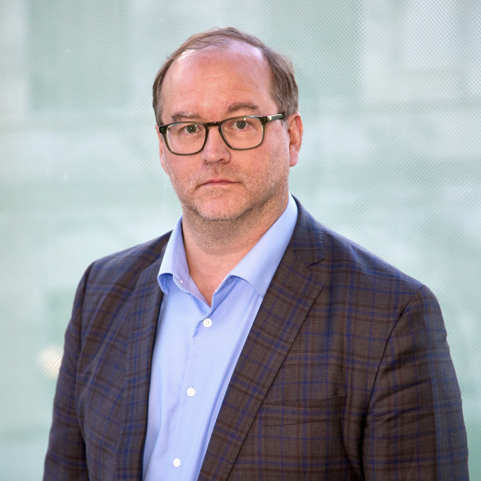
Moderator
Phil Anglewicz, Director, William H. Gates Institute for Population and Reproductive Health
Panel discussants contribute additional depth on key aspects. Panel might cover topics including: how population size is declining in many parts of the world and rising in others; the pace of urbanization and population aging and where these trends are most pronounced; the degree of certainty regarding population projections out to 2100 and the likely trajectory of global human population post 2100 based on current trends.
Panelists
| Luba Zaifman Social and Gender Statistician, UN Statistics Division |
 |
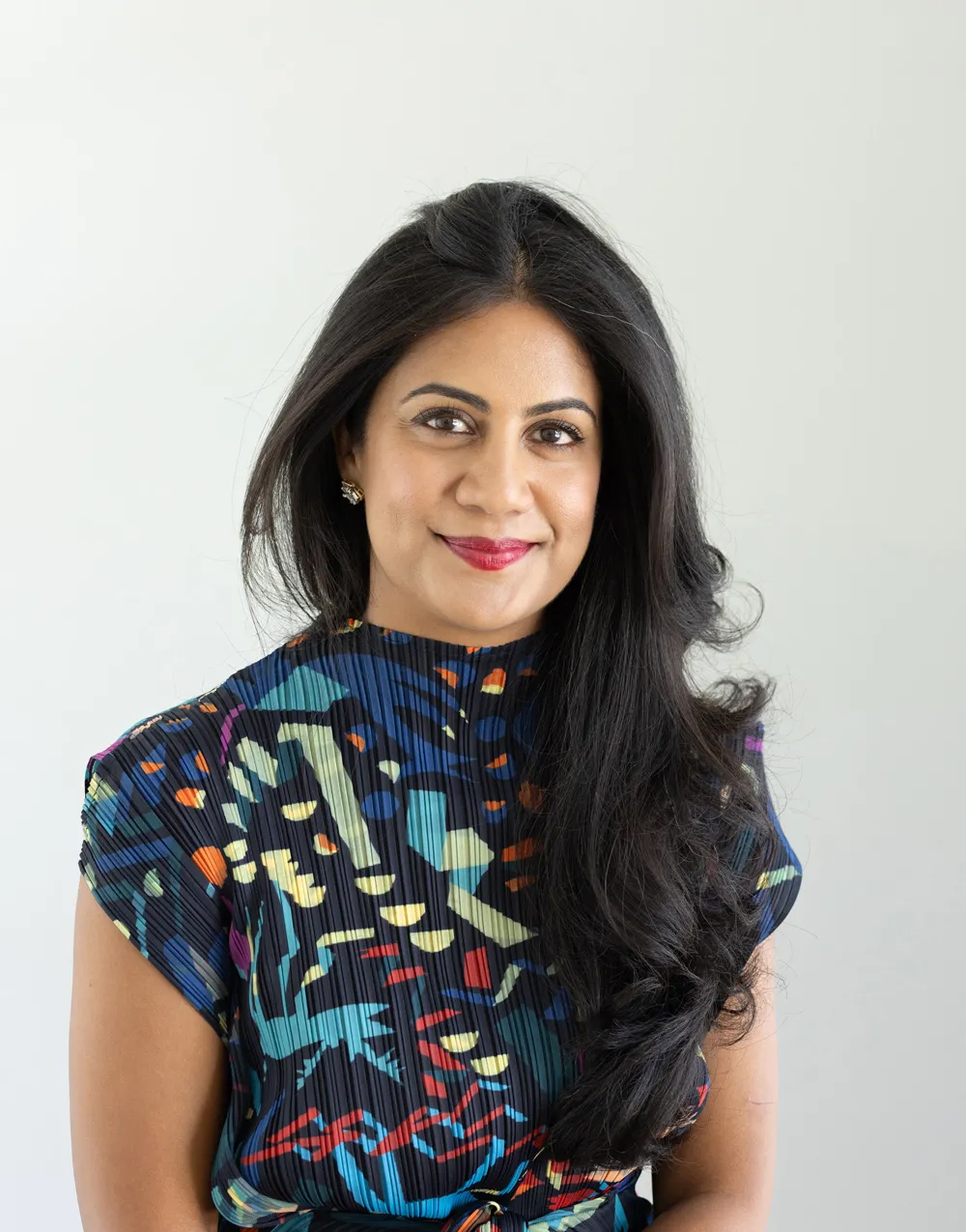
| Apoorva Jadhav Demographic Futures Lead, William H. Gates Sr. Institute for Population and Reproductive Health and Senior Fellow, PRB |
 |
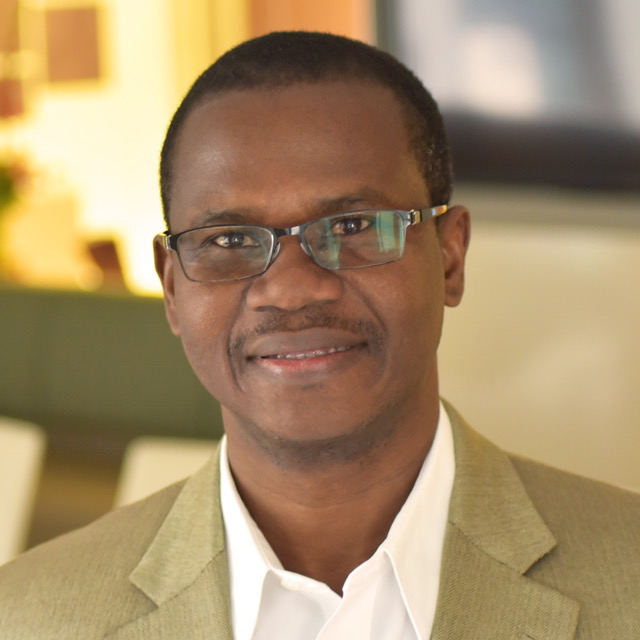
| Alex Ezeh Dornsife Professor of Global Health and Associate Dean for Global Health and Human Rights, Drexel University |
 |
12:00-1:00 pm | Lunch
Day 1 — Afternoon: What Does it Mean?
Having established dominant demographic trends and degrees of certainty regarding projections, we will explore the implications of these trends across economic, geopolitical, and environmental dimensions.
1:00-1:45 pm | Session 4 — Panel
Economic Implications and Population Trends
In this session, we explore the economic implications of population growth, decline, aging, and urbanization, providing a range of perspectives on the economic implications of these trends. Speakers will discuss examples of nations and regions navigating these demographic changes, considering the interlinks between population trends, economic changes, and economic development.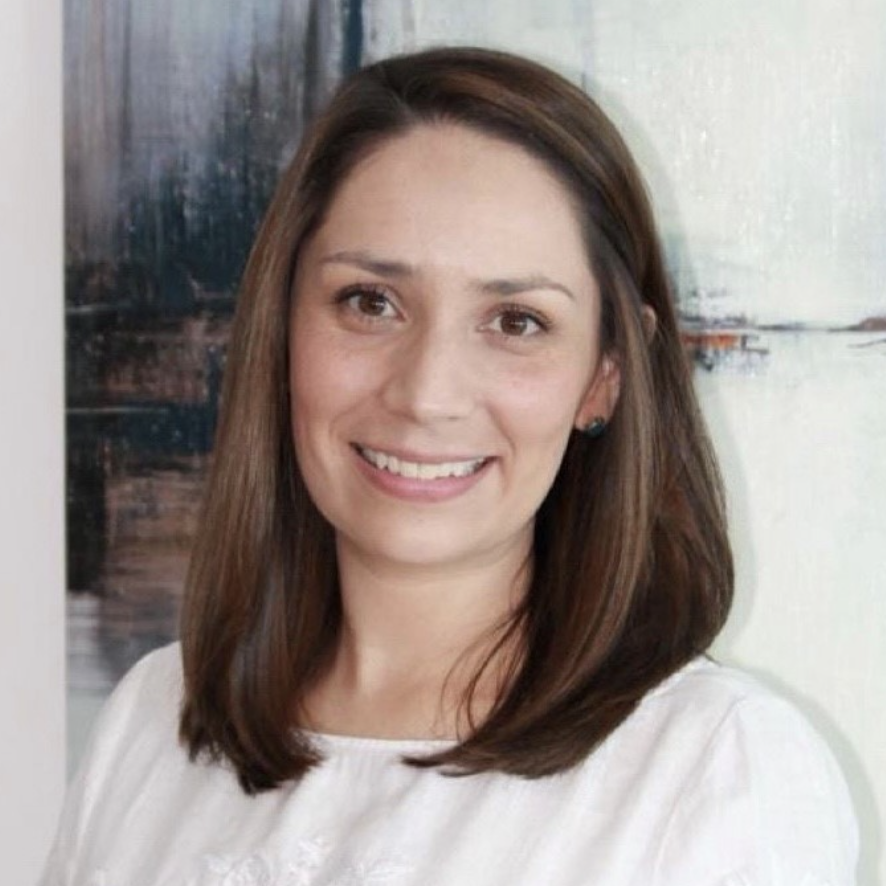
Moderator
Carolina Cardona, Health economist and Assistant Scientist, Johns Hopkins Bloomberg School of Public Health
Panelists
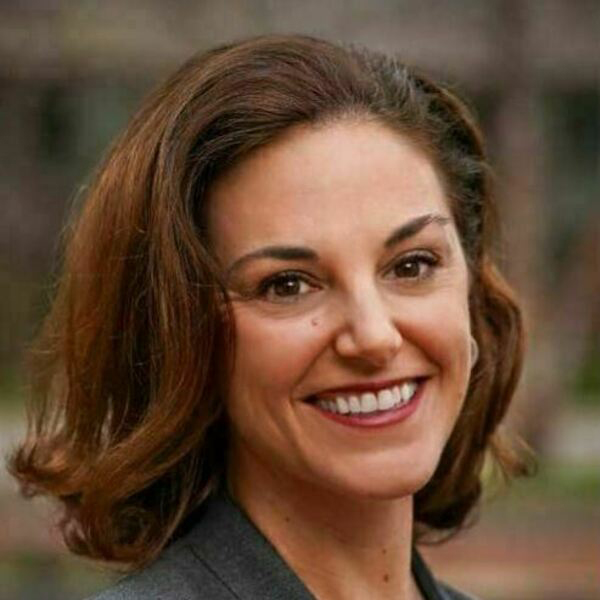
| Melissa Kearney Gilbert F. Schaefer Professor of Economics, University of Notre Dame |
 |
| Wang Feng Distinguished Professor of Sociology, University of California, Irvine |
 |
| Mahesh Karra Associate Professor of Population and Family Health, Columbia University’s Mailman School of Public Health |
 |
2:00-2:45 pm | Session 5 — Panel
Geopolitical Implications of Population Trends
In this session, we will discuss examples of the geopolitical implications of current and future population trends. For example, how do population decline or rapidly growing populations both impact nation-states and the balance of power? What are the conditions for addressing the geopolitical impact of global population changes?
Moderator: TBD
Panelists
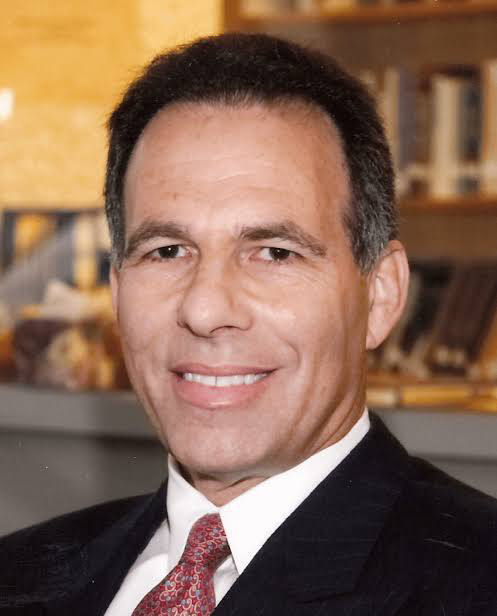
| Jack Goldstone Professor of Public Policy, George Mason University and Senior Fellow, Mercatus Center |
 |
| Monica Duffy Toft Shelby Cullom Davis Professor of International Security Studies, Tufts University |
 |
| C. Tadeusz Kugler Associate Professor of Politics and International Relations, Roger Williams University |
 |
3:00-3:30 pm | Coffee Break
3:30-4:30 pm | Session 6 — Panel
Environmental Implications of Population Trends
This session considers the major demographic drivers of changes to Earth’s natural systems, and whether the Earth crisis is becoming an important driver of demographic change. The discussion also considers the environmental threats and opportunities associated with human population trends that need to be managed: For example: Can we optimize regeneration of the biosphere in areas where depopulation is occurring? How do timescales of demographic trends compare to timescales relevant to solving Earth’s systems changes?
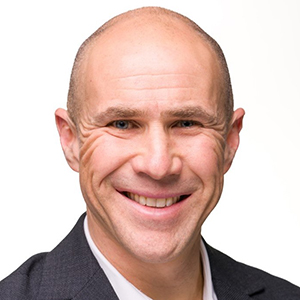 Moderator
Ben Zaitchik
Associate Director, Johns Hopkins Institute for Planetary Health and Chair and Professor, Department of Earth & Planetary Sciences, JHU
Panelists
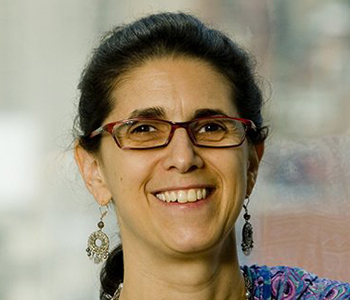
| Deborah Balk Director, CUNY Institute for Demographic Research |
 |
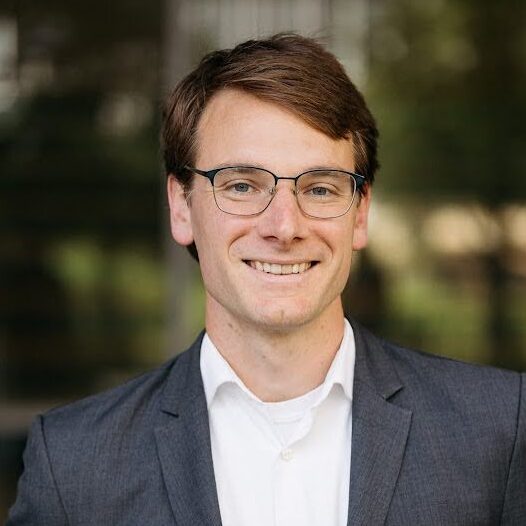
| Kevin Kuruc Assistant Professor of Economics, Middlebury College |
 |
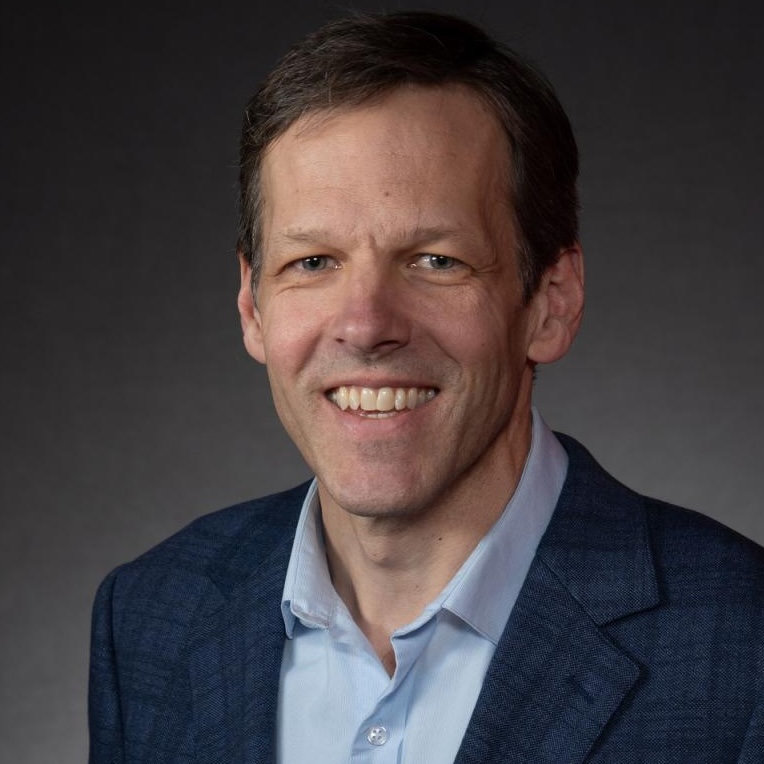
| Brian O’Neill Scientist & Professor, Center for Global Sustainability at the University of Maryland in College Park |
 |
4:15-4:30 pm | Closing Remarks
Program Agenda
Day 2
Day 2 — What Can We do About it?
Given that population trends appear quite challenging to reverse, how can we most effectively manage the established trends and their potential impacts in the realms of economics, geopolitics, and the environment? Day two, we explore examples of interventions that are effective in reducing negative economic, geopolitical, or environmental impacts or in accentuating positive impacts and identify the many outstanding research questions. On day 2, we’ll:
Explore what we know about how countries are, or are not, addressing or planning for shifting economic and geopolitical realities due to changing demographic and environmental drivers.
Identify outstanding research questions for transdisciplinary work on these topics.
Improve our capacity to discuss population issues, trends, and possibilities, especially with those who don’t work in public health/demography.
8:30-9:00 am | Breakfast
9:00-9:15 am | Session 1 — Opening
9:15-10:15 am | Session 2 — Keynote
Communicating about Population Trends and Implications Across Sectors and Audiences
This session discusses how we can most effectively discuss population dynamics and trends, especially with those who don’t work in public health/demography. The session will cover how important it is to effectively communicate the importance of population trends and these related multi-dimensional issues to a wide audience, with perspectives on how can researchers, practitioners, and media can translate findings into concrete, actionable insights that experts, media, policymakers, and the public can understand and utilize.
Speakers
| Jennifer Sciubba President and CEO, Population Reference Bureau |
 |
| TBD | |
| TBD |
10:15-10:45 am | Coffee Break
10:30-11:20 am | Session 3 — Panel
Intervention Session
This session explores case examples and existing evidence regarding what we know about how countries are, or are not, addressing or planning for shifting economic and geopolitical realities due to changing demographic and environmental drivers. This panel focuses the discussion on the economic and geopolitical impacts of urbanization and migration driven by shifting demography and environmental change.
 Moderator
Ruth Braunstein
Professor of Sociology, SNF Agora Institute
Panelists
| Elizabeth Fussell Professor of Population Studies and Environment and Society, Brown University |
 |
|
Dr. Sathyanarayanan (Sathya) Doraiswamy |
 |
| Clive Mutunga Founder, CHED Solutions |
 |
11:20-12:15 pm | Session 4 — Panel
Intervention Session
This session explores examples and evidence regarding family planning, health, and environmental interventions. The session will include discussion of the links between population dynamics, maternal health and reproductive rights, demographic policies/incentives, and environmental outcomes.
 Moderator
Rachel Marcus
Executive Director, Planetary Health Alliance and the Institute for Planetary Health
Panelists
| Nandita Bajaj Executive Director, Population Balance |
 |
| Kathleen Mogelgaard President and CEO, Population Institute |
 |
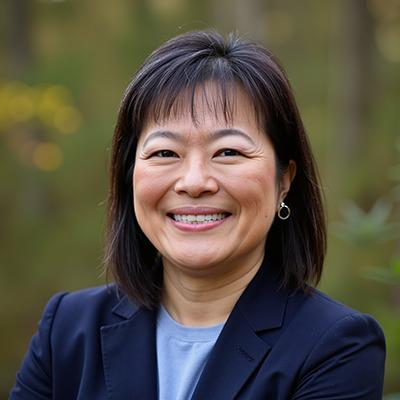
| Sono Aibe Principal Consultant, CHED Solutions |
 |
12:15-1:15 pm | Lunch Break
1:15-2:30 pm | Session 5 — Breakouts Rooms
Breakout Room #1: Media Lab
Breakout Room #2: Research Agenda Breakout: Environmental implications
Breakout Room #3: Research Agenda Breakout: Geopolitical and economic implications
2:30-2:50 pm | Coffee Break
2:50-4:00 pm | Session 6 — Coming Back Together
What have we heard? What are the key research gaps that have been identified? What are other key takeaways from these two days? This session is in plenary, but with input from: 1) participation from small groups across the room during the session, 2) rapporteurs reporting out from the prior breakouts areas, and 3) the other inputs captured throughout the event.
4:00-4:30 pm | Closing Session
 Speaker
Sam Myers
Director, Planetary Health Alliance and the Johns Hopkins Institute for Planetary Health
Hosted by:
Sponsors Include: